

After successfully implementing Low-Zinc™ aluminum anodes in ports, BAC Impalloy is now ready to take the next step by introducing this innovative alloy for ship anodes.
With this development, the company continues its efforts to reduce pollution in the marine environment while ensuring effective corrosion protection.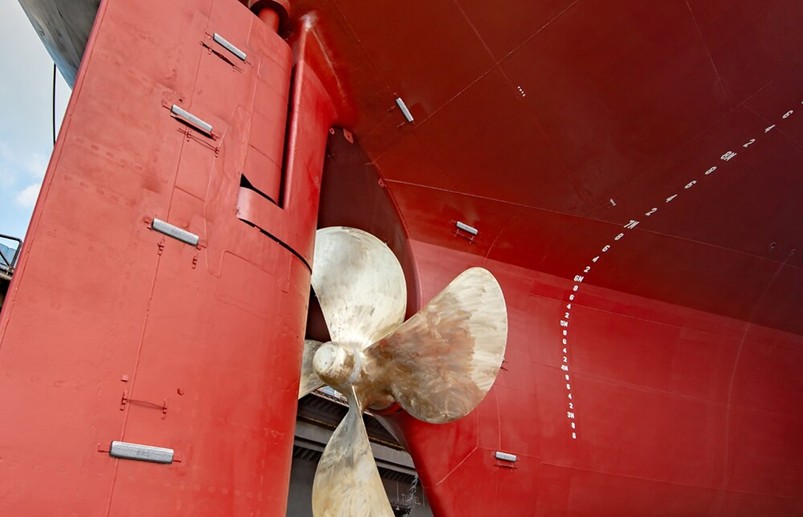
From Ports to Ships: A Natural Progression
For over 100 years, zinc has been used as an effective protection against galvanic corrosion in the marine industry. However, in recent decades, aluminum-zinc-indium alloys have become more widespread as a lighter-weight alternative. These alloys still contain a significant amount of zinc.
Since zinc is classified as a light heavy metal that can pollute the marine environment in high concentrations, BAC Impalloy sees it as a natural progression to introduce this new low-zinc solution, which reduces the burden on the seas. Several ports have already recorded zinc levels exceeding permitted limits, making the transition even more relevant.
A Responsibility to Lead the Way
Since 1956, BAC Impalloy has been supplying sacrificial anodes and playing a central role in the development of corrosion protection. The company leads the industry by setting new standards for corrosion protection. As the only foundry that has driven the development of the ISO 9153 standard, BAC Impalloy takes an active responsibility in pushing the industry forward and ensuring more environmentally friendly and effective solutions.
With the transition to Low-Zinc™ aluminum for ship anodes, the company continues its mission to create greener solutions without compromising durability and performance.
Preparations for Ship Anodes
The transition to Low-Zinc™ aluminum for ship anodes is a complex process that requires technical adjustments. BAC Impalloy is therefore working intensively to optimize production processes and ensure that casting molds and furnaces are compatible with the new alloy.
This strategic shift not only reduces environmental impact but also positions BAC Impalloy as a leading player in the green transition within the cathodic protection industry.